The Story of Noto
Noto — Where Japan Lives On
Meet the people who make this peninsula what it is.
Introduction
The Noto Peninsula stretches north into the Sea of Japan from Ishikawa Prefecture. Here, forested hills meet fishing villages and a long, varied coastline. Rice terraces, wooden workshops, temple halls, salt fields, and working harbors tell a story that is still being written by the people who live among them.
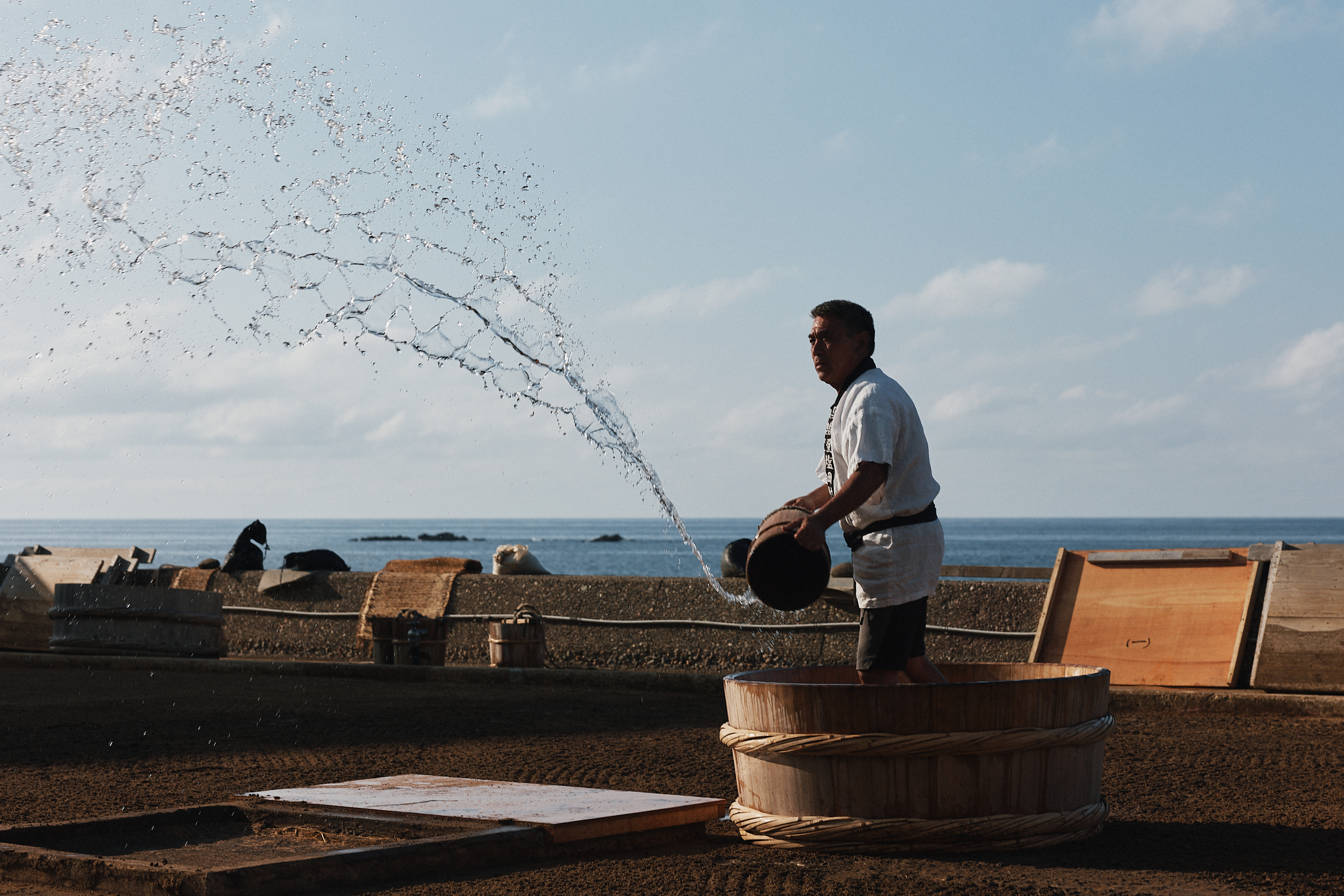
Noto is known for its seafood, Wajima lacquerware, traditional salt-making, festivals, and the warmth of its communities. But these are not separate attractions. Food depends on the people who tend the land and work the sea. Crafts grow from local materials and the needs of everyday life. The landscape itself has been shaped by generations of care. In 2011, the Food and Agriculture Organization of the United Nations designated Noto’s Satoyama and Satoumi a Globally Important Agricultural Heritage System, recognizing this close relationship between people and nature.
The earthquake of 1 January 2024, followed by severe flooding that September, caused enormous loss and damage. Recovery is still underway, and different parts of the peninsula are moving at different paces. Temples, workshops, inns, restaurants, and other local businesses are welcoming visitors again, while caring for what has been lost and what can be rebuilt. Their stories are part of Noto’s present, as much as its long history is.
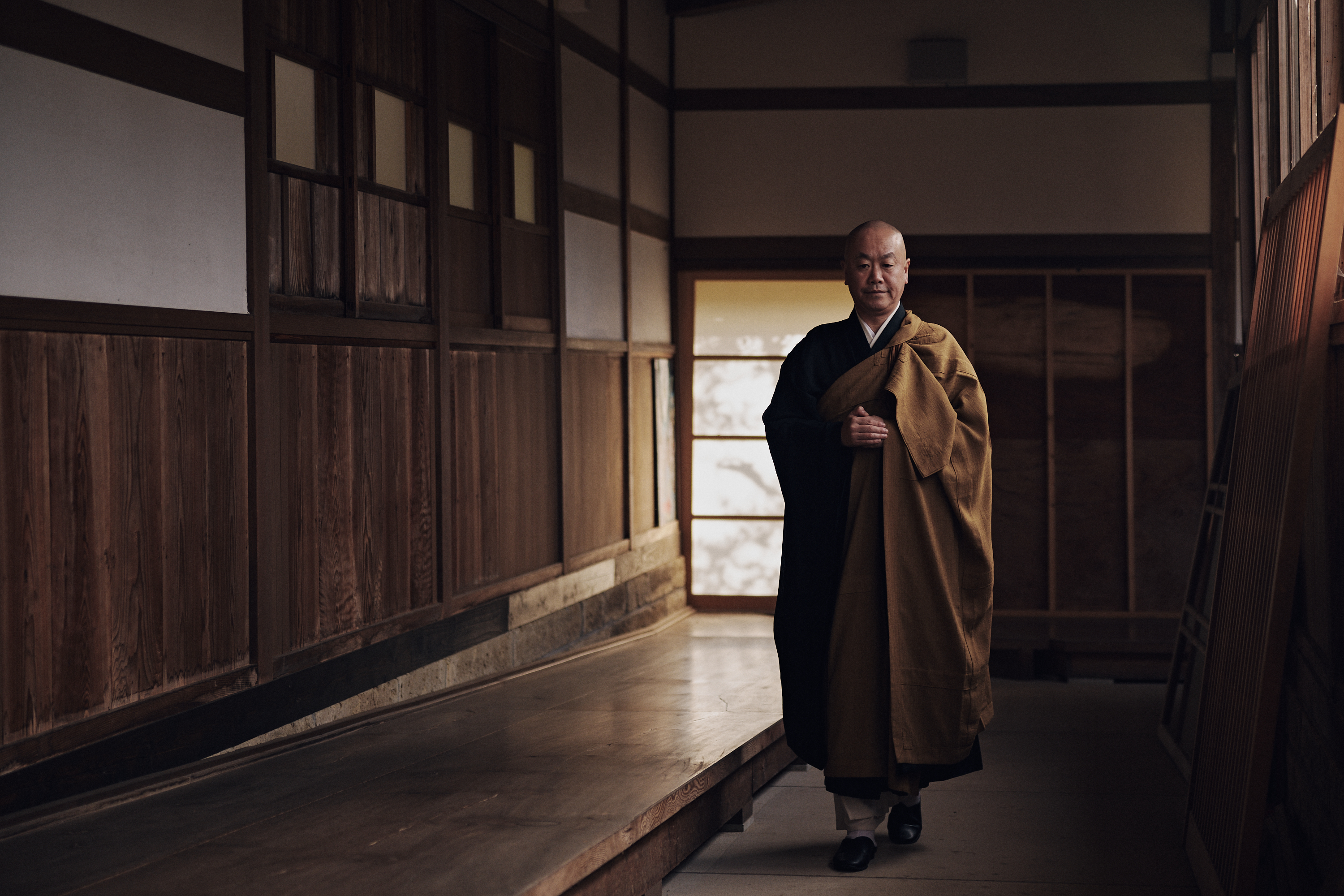
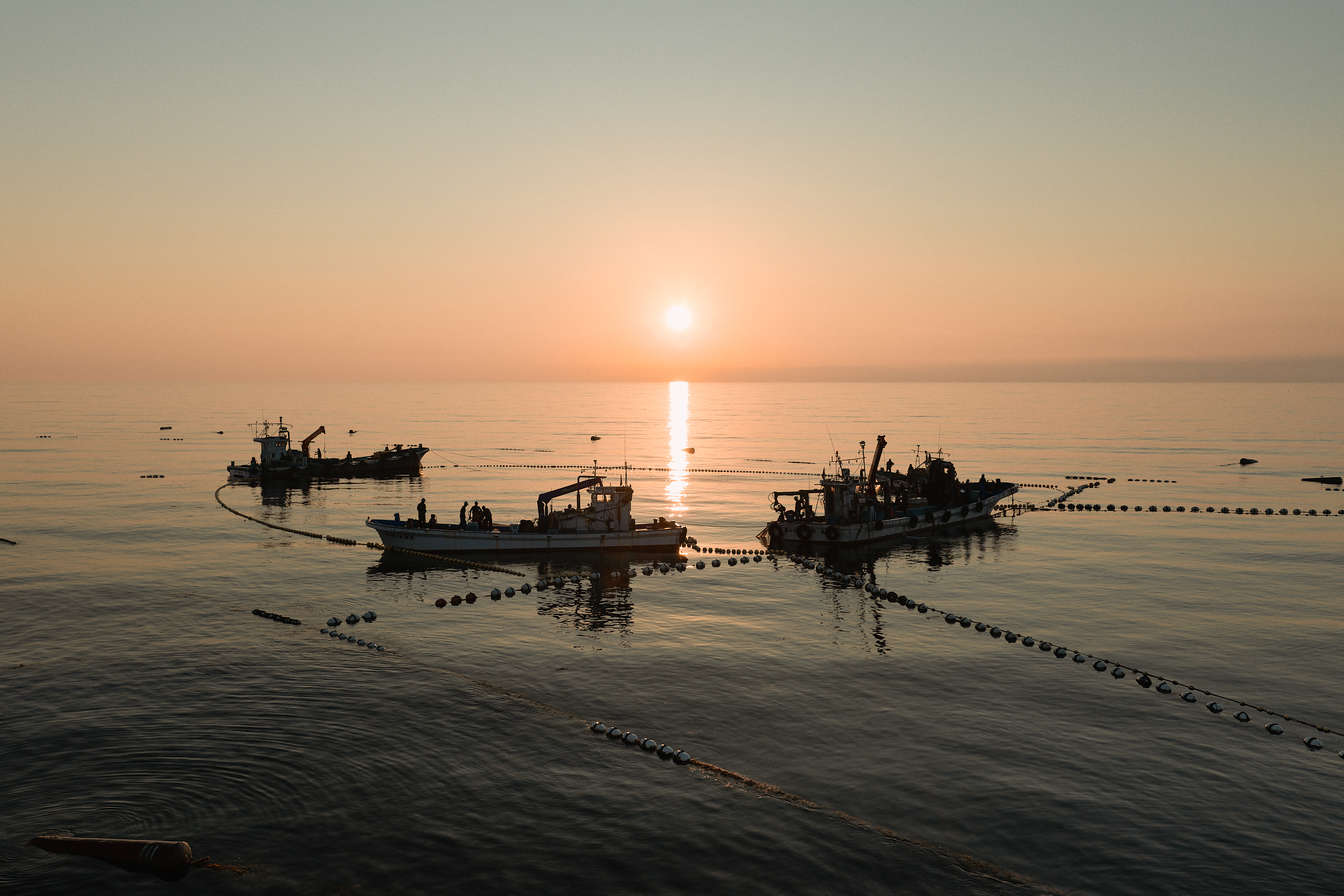
We invite you to get to know Noto through six encounters: a Zen temple in Monzen, an auberge by Nanao Bay, a small inn rebuilt with the help of its community, a lacquer workshop in Wajima, a salt field in Suzu, and the people whose work begins before dawn on the fishing boats. Each offers a different way into the place. Together, they reveal the connections that keep it going.
A thoughtful journey here brings you closer to Noto’s people and supports the businesses and communities working toward its future.