Craft & Everyday Life
Wajima Kirimoto
Wood and lacquer made to be lived with.
Made to Be Used
A lacquer bowl is often admired before it is touched. Taiichi Kirimoto would like it to be held. He talks about the feel of a rim against the lips, the warmth of a bowl in the hands, and the small sense of ease a useful object can bring to a meal. For him, the strength of Wajima lacquerware matters because it lets that relationship continue.
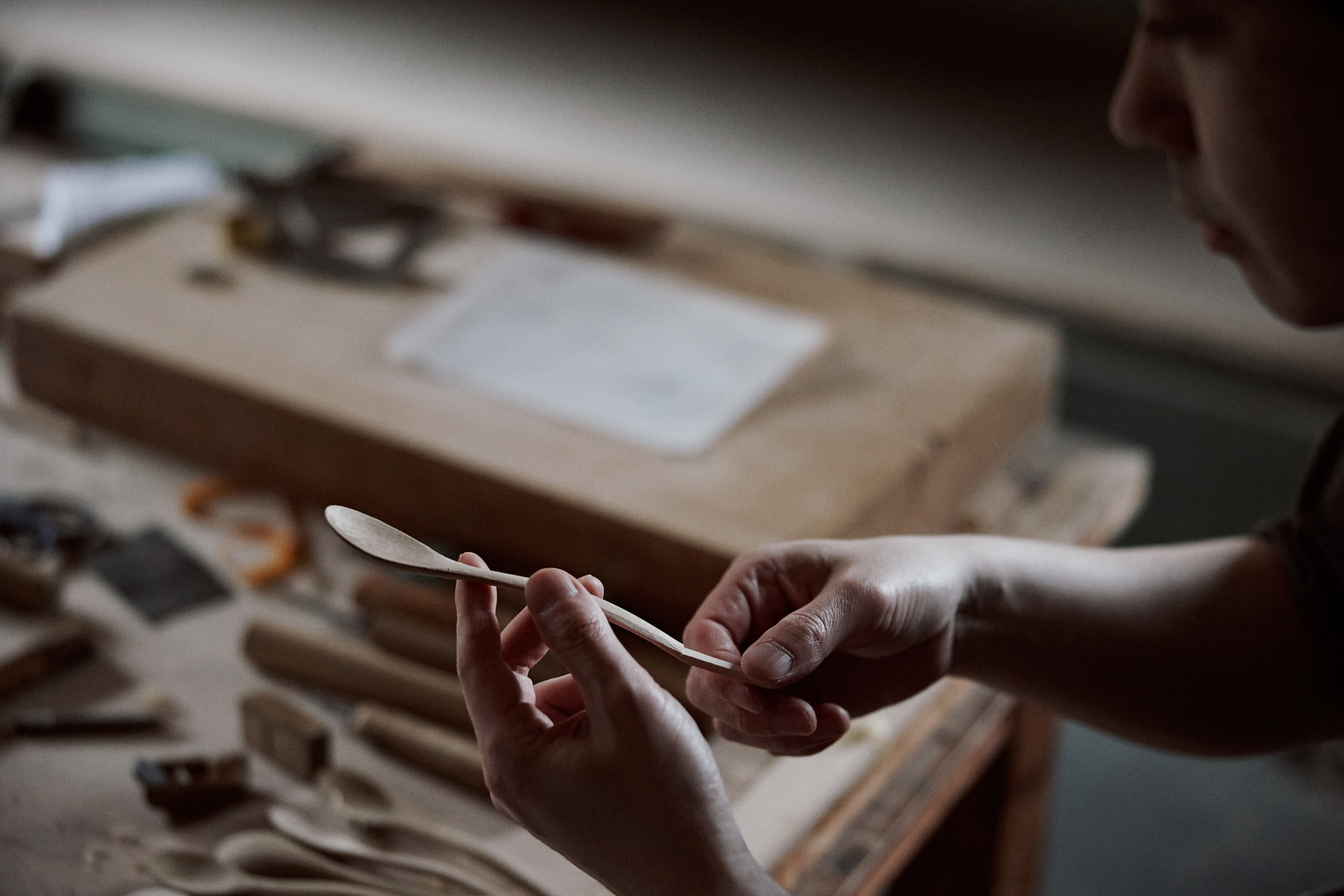
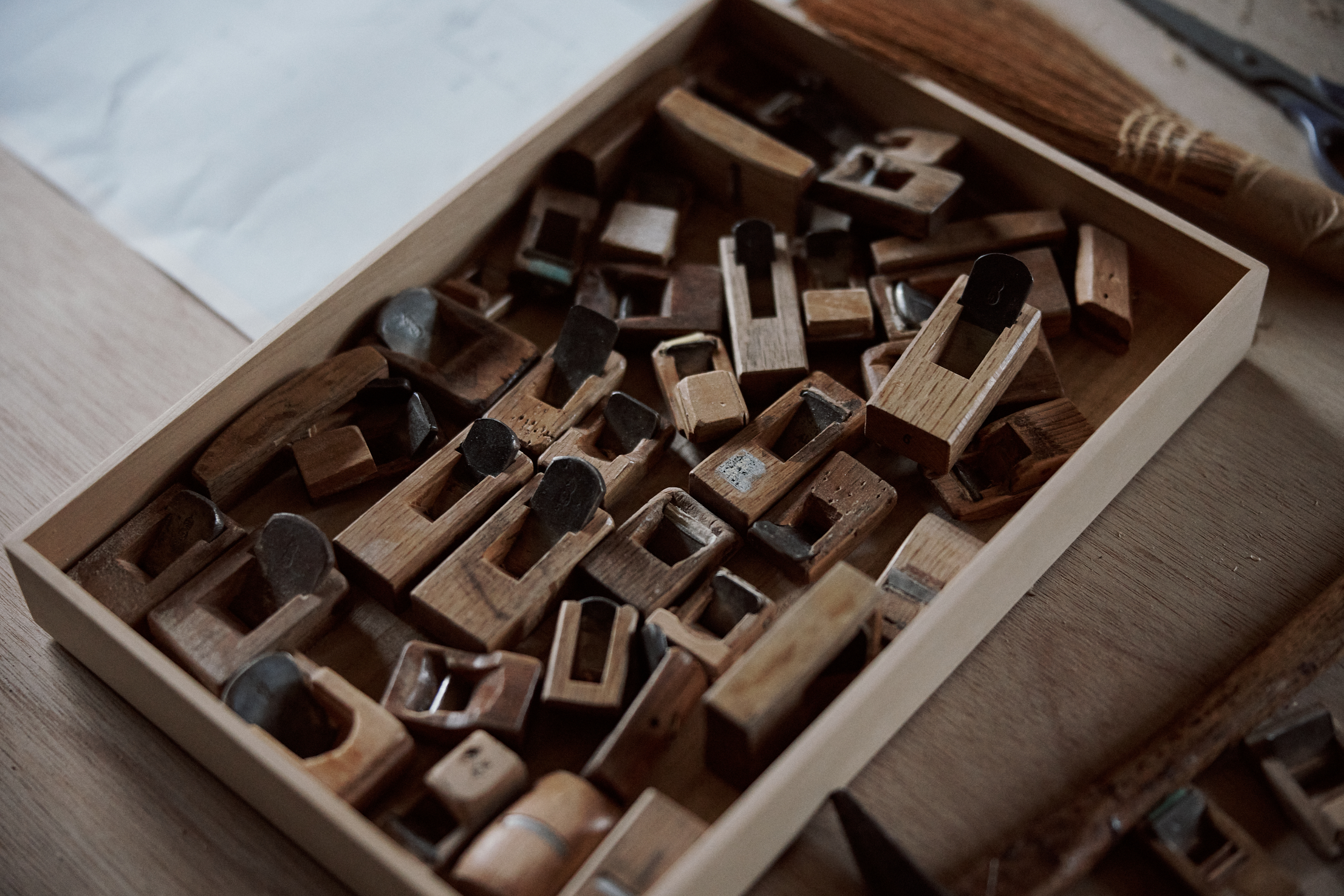
The Kirimoto family has worked with wood and lacquer in Wajima for more than 200 years. Taiichi, the seventh-generation head, studied product design, worked in office planning, and returned to learn wood-core making. The workshop now makes tableware, small objects, furniture, and interior elements with other skilled makers. Its guiding idea is simple: wood and lacquer should belong in contemporary daily life.
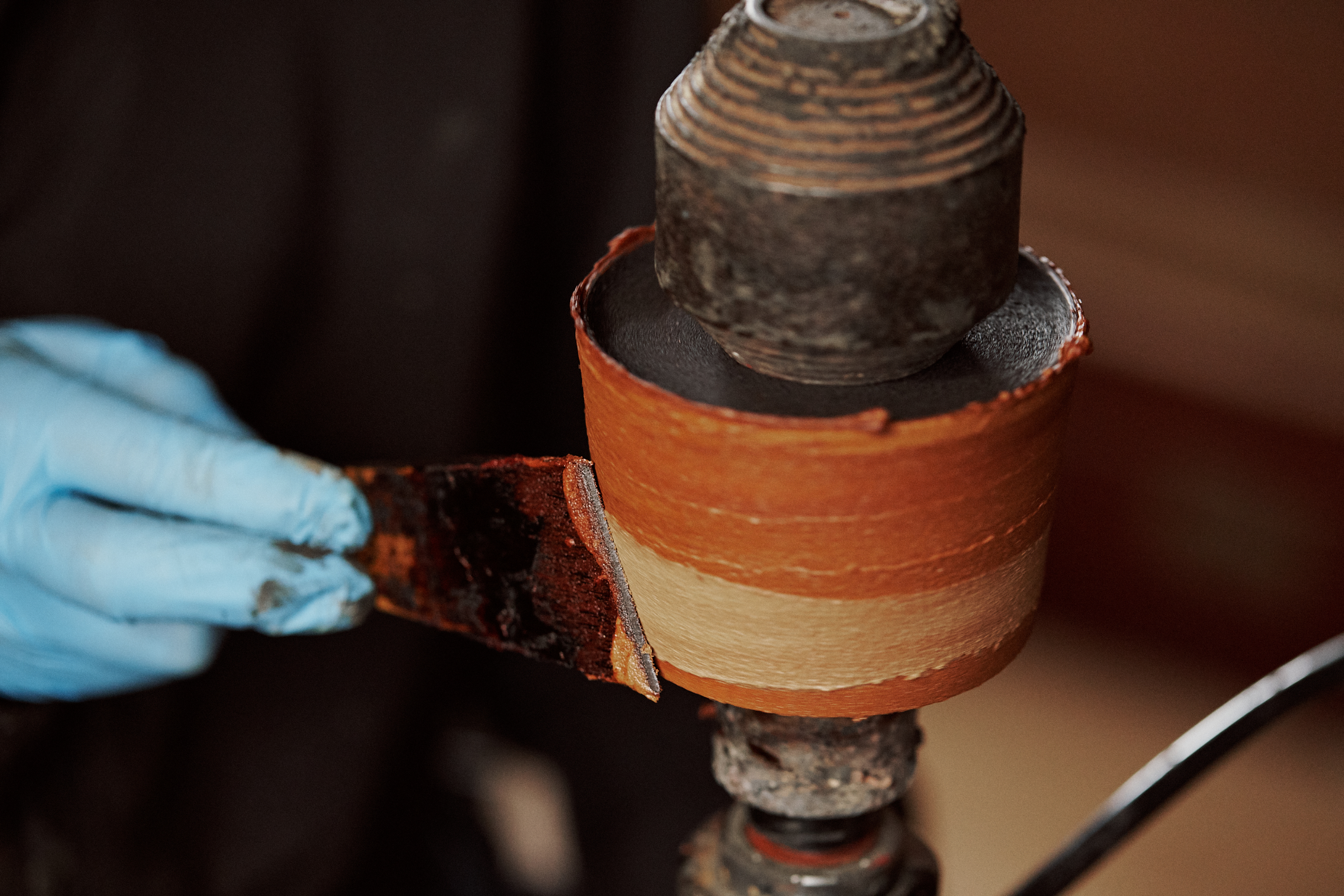
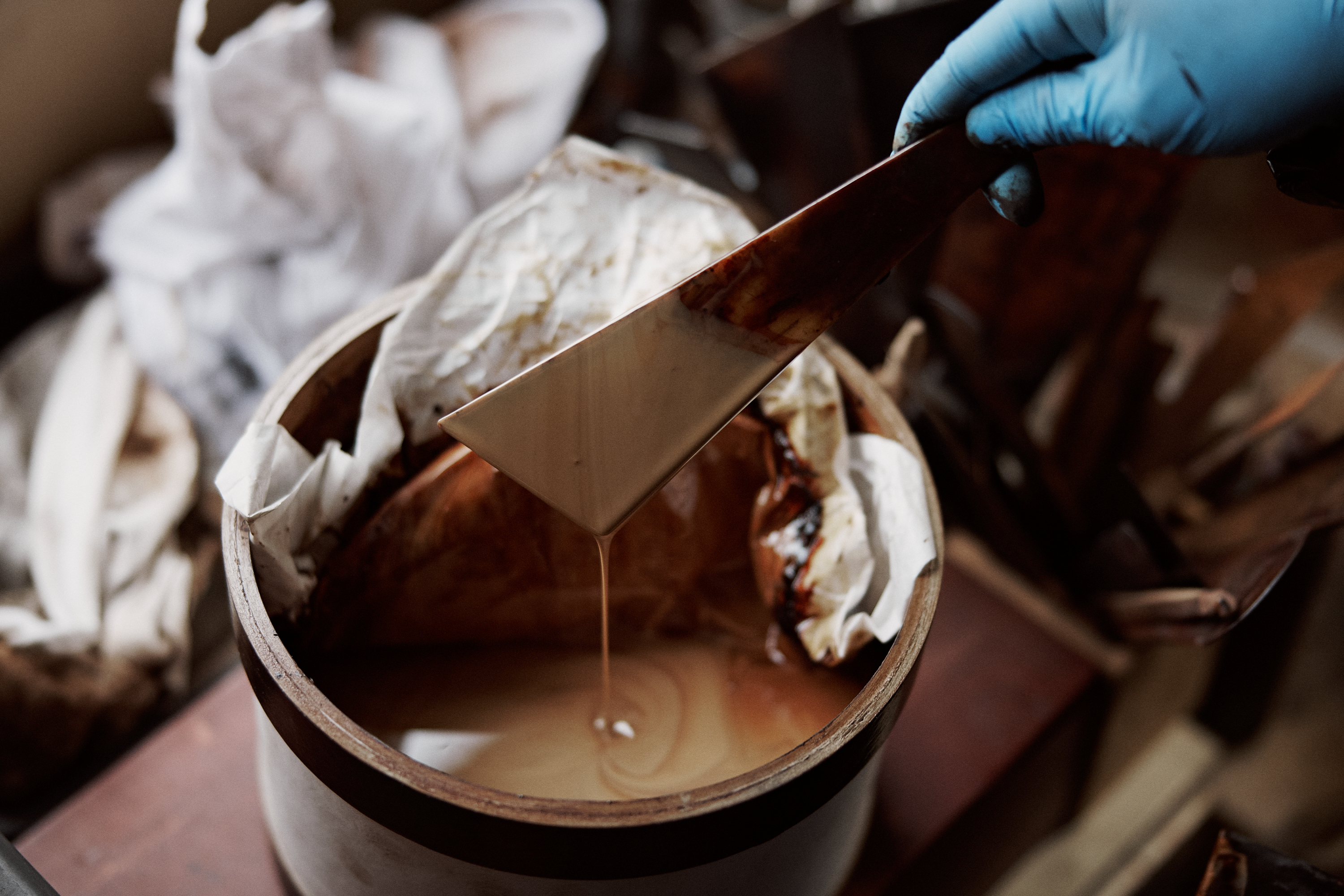
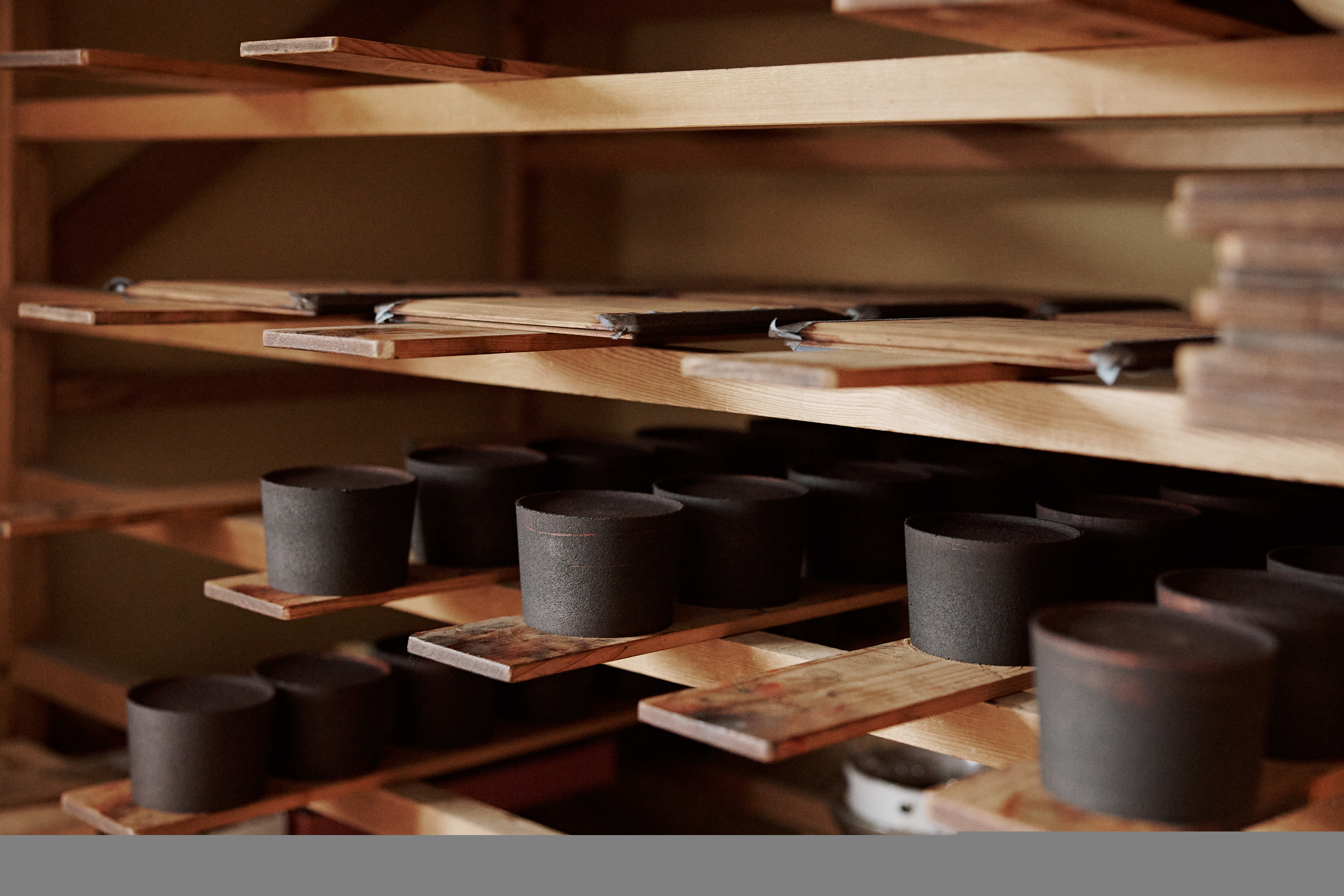
Traditional Wajima lacquerware is built through many stages. Wood is shaped into a core; the foundation is strengthened with layers that can include cloth at vulnerable edges and powder made from local diatomaceous earth, mixed into the lacquer base. Repeated coats of lacquer protect and finish the piece. These details are easy to miss when looking at a finished bowl, yet they help explain why a damaged object can be repaired and used again.
Kirimoto traces the craft’s development to Wajima’s geography and its relationship with customers. Makers used wood available in the wider Noto region and the earth beneath their feet. They also traveled to the people who bought their work, listened to how the pieces were used, and carried those observations home. Kirimoto continues to speak directly with users. The conversation shapes what the workshop makes next.
The 2024 earthquake and subsequent flooding deeply affected Wajima’s makers. As they rebuild, craftspeople across generations are learning together, exploring new designs and markets, and looking for ways to grow lacquer trees in Wajima. Kirimoto’s studio shop reopened in July 2026. The ambition reaches beyond reopening: to make objects people will still want to use a century from now.