Zen & Community
Sōjiji Soin Temple
Where seven centuries of practice remain part of daily life.
A Place Where Stillness Speaks
Monzen’s name means “in front of the temple gate.” It is a fitting introduction to Sōjiji Soin, whose history and daily life have long been intertwined with the town. Founded in 1321 by the Zen master Keizan Jōkin, Sōjiji became a major center of the Sōtō school. Its buildings grew into a large temple complex. After a fire destroyed much of it in 1898, the center of its teaching moved to Tsurumi in Yokohama. The original site in Noto was rebuilt and is known today as Sōjiji Soin, the ancestral temple.
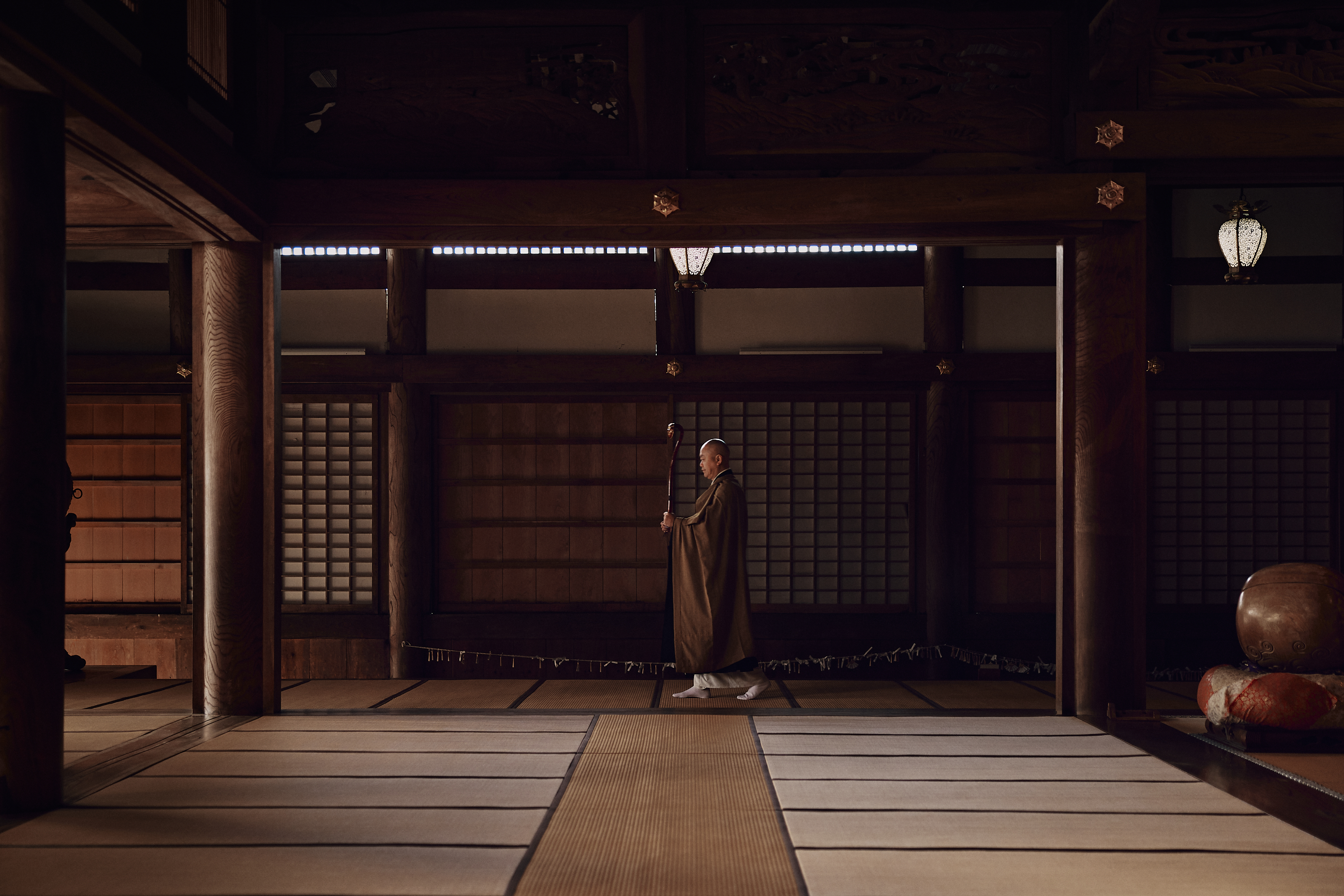
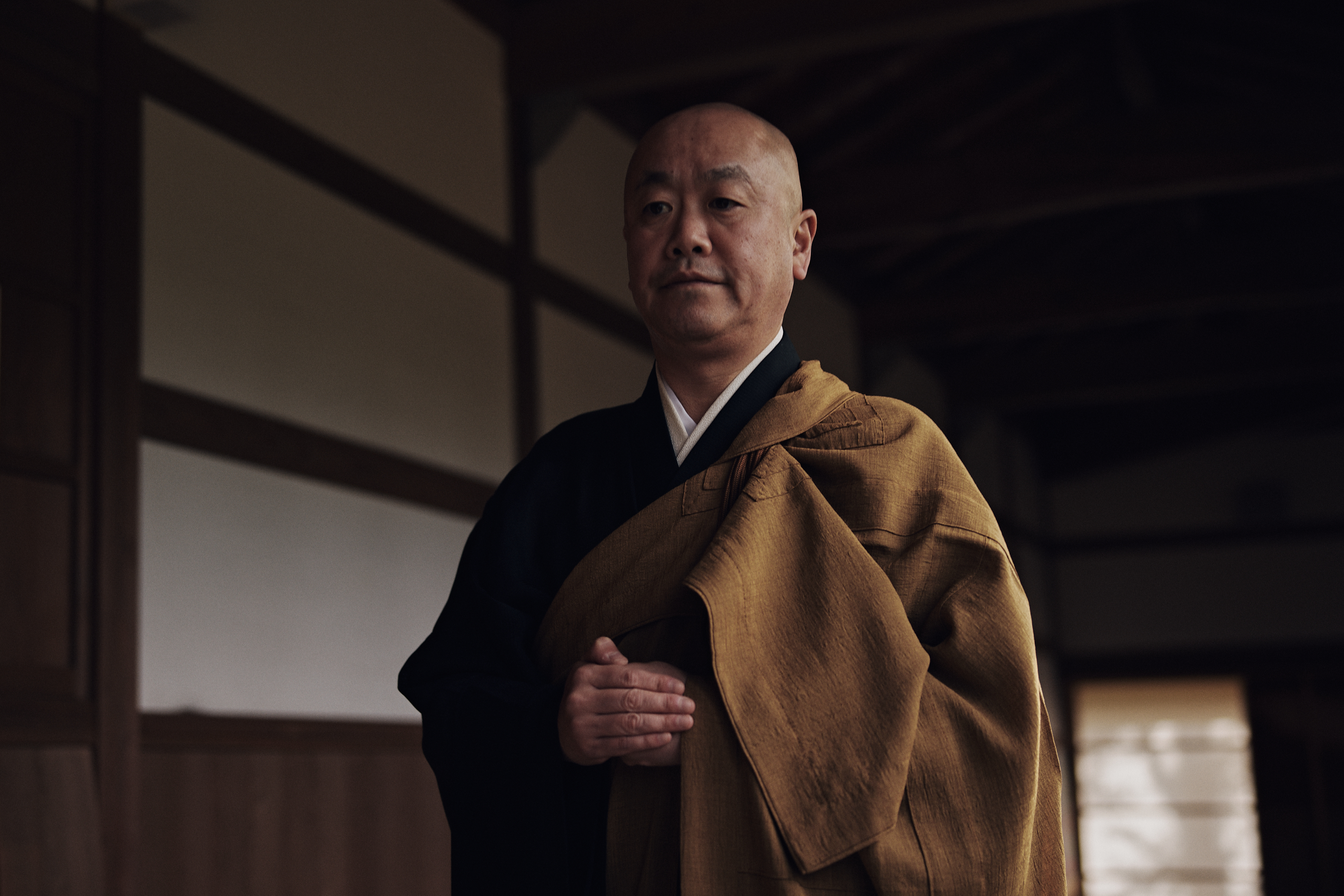
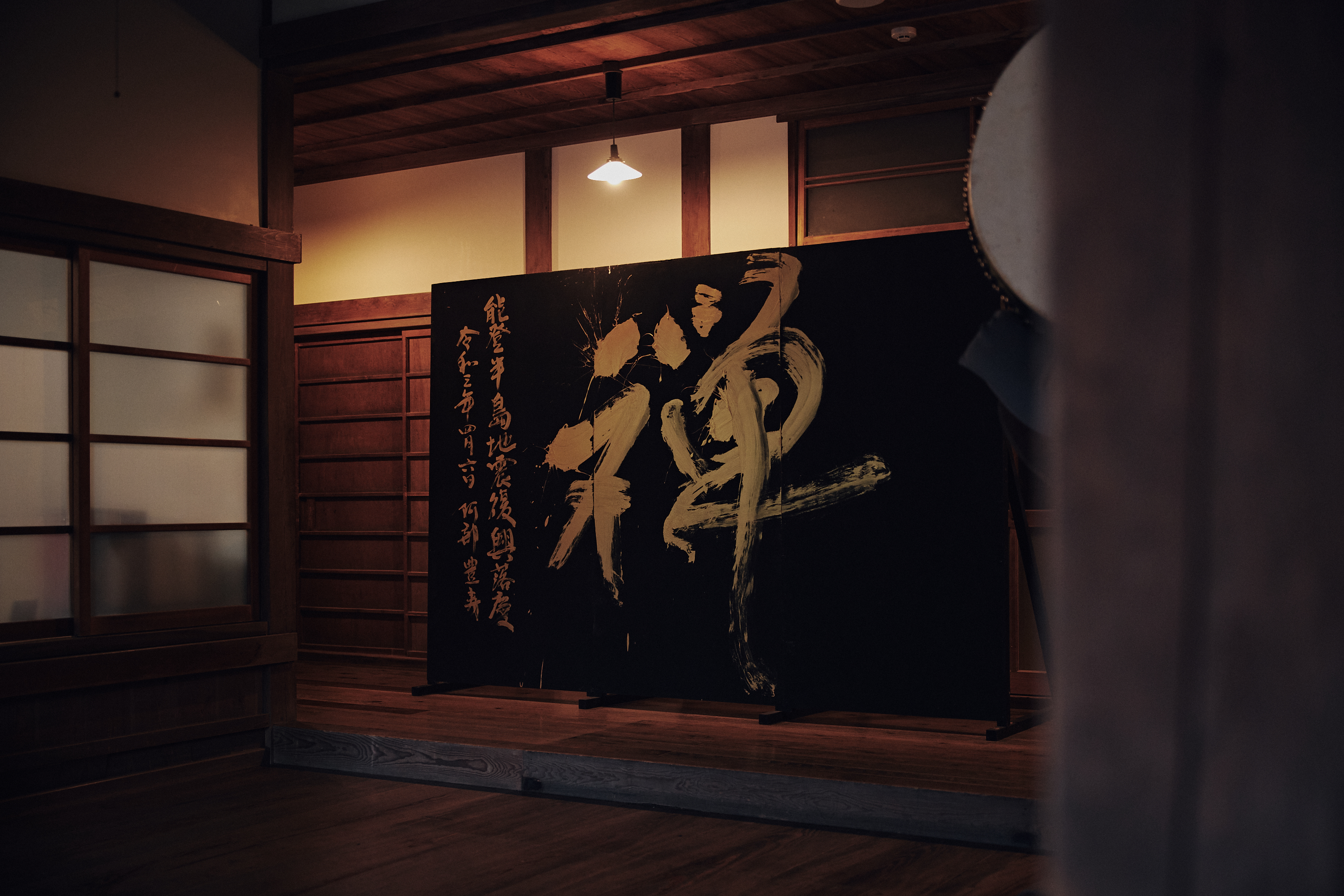
The temple’s long history is visible in its halls and grounds, but it is also present in work that happens every day. Monks train here. Ceremonies, prayers, and memorial rites continue through the year. The temple’s own visitor guide describes events that bring it together with the local community. It is a place people return to for reasons that are personal as well as historical.
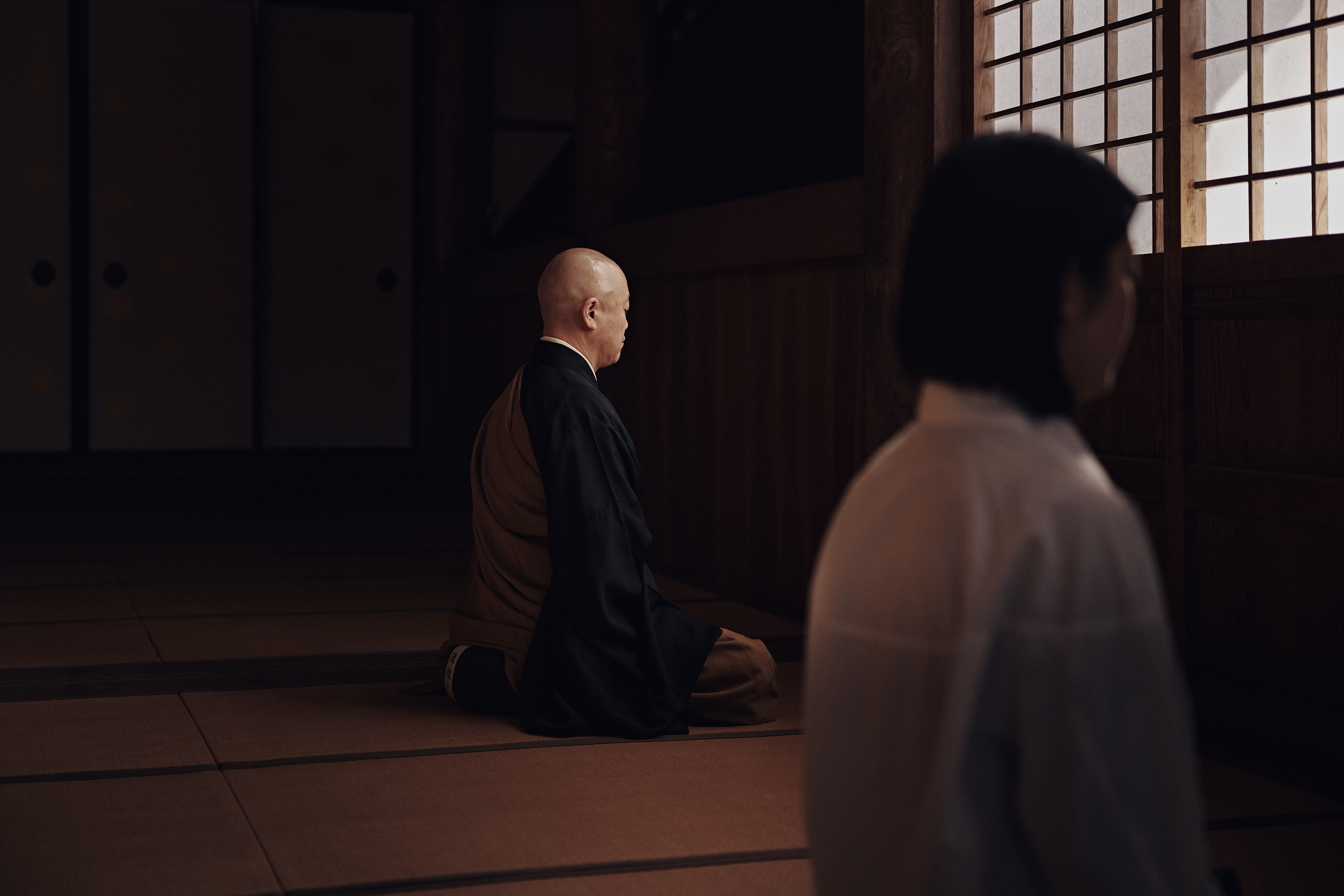
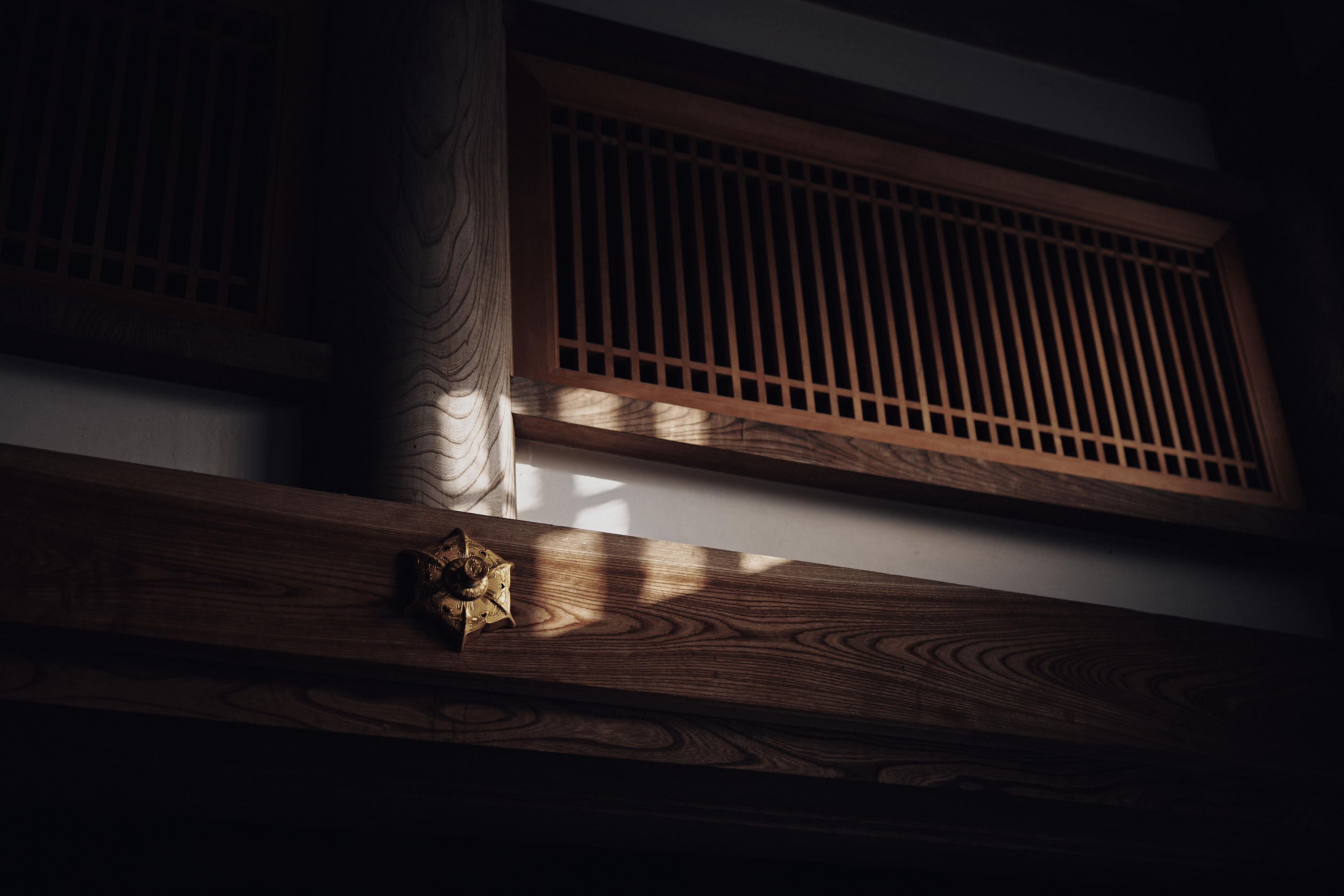
For a visitor, one way to approach that living practice is through zazen. In the day program, a monk explains the form of sitting and guides a short session. No previous experience is needed. The change in pace can make familiar things more vivid: the sound of a footstep, the light on a wooden floor, the quiet of the courtyard. The temple currently asks visitors to reserve the day session by telephone. Overnight practice for visitors remains suspended because of earthquake damage.
The 2024 earthquake damaged parts of the complex. Conservation and repair are continuing, and access to individual buildings may change as work progresses. The temple’s recovery is careful work on a much longer timescale than a single visit. It is also part of the story unfolding in Monzen now: a community tending a place that has held its memory, ritual, and welcome for more than 700 years.